338 Fascism portrayed in Retrospective and Contemporary Science Fiction
Concurrent news:
Bruce Springsteen’s Streets of Minneapolis : https://x.com/mariashriver/status/2016618469740204114?s=61
Working definitions:
- Populism as a general rubric covering political stances that emphasize the idea of the “common people” and position this group in opposition to “elites”.
- Fascism as ultranationalist populism of the far right; wealth is transferred to the private sector
- Communism as ultranationalist populism of the far left; wealth is transferred to the “public sector”
With a framework of Retrospective, Contemporary, and Speculative, we can identify examples of works that portray fascism. Retrospective is science fiction that looks back at past fascist events, generally WW2. Contemporary is science fiction that was written to look at what’s happening in our present time, and makes some commentary on it.
- Retrospective
- Philip K Dick: The Man in the High Castle (1962; alternate history)
- TOS Star Trek: “The Conscience of the King” (1966; World War 2 trauma), “Patterns of Force” (1968; reminder about life under Nazism), various totalitarian societies, like the Klingons and Cardassians
- Margaret Atwood: The Handmaid’s Tale (1985; natalism)
- Contemporary
- Stanley Kubrick: Dr. Strangelove (1964; implications of Project Paperclip)
- TOS Star Trek: “A Taste of Armageddon” (1967; satire of the draft and the Vietnam War), “Bread and Circuses” (1968; satire of television/mass media)
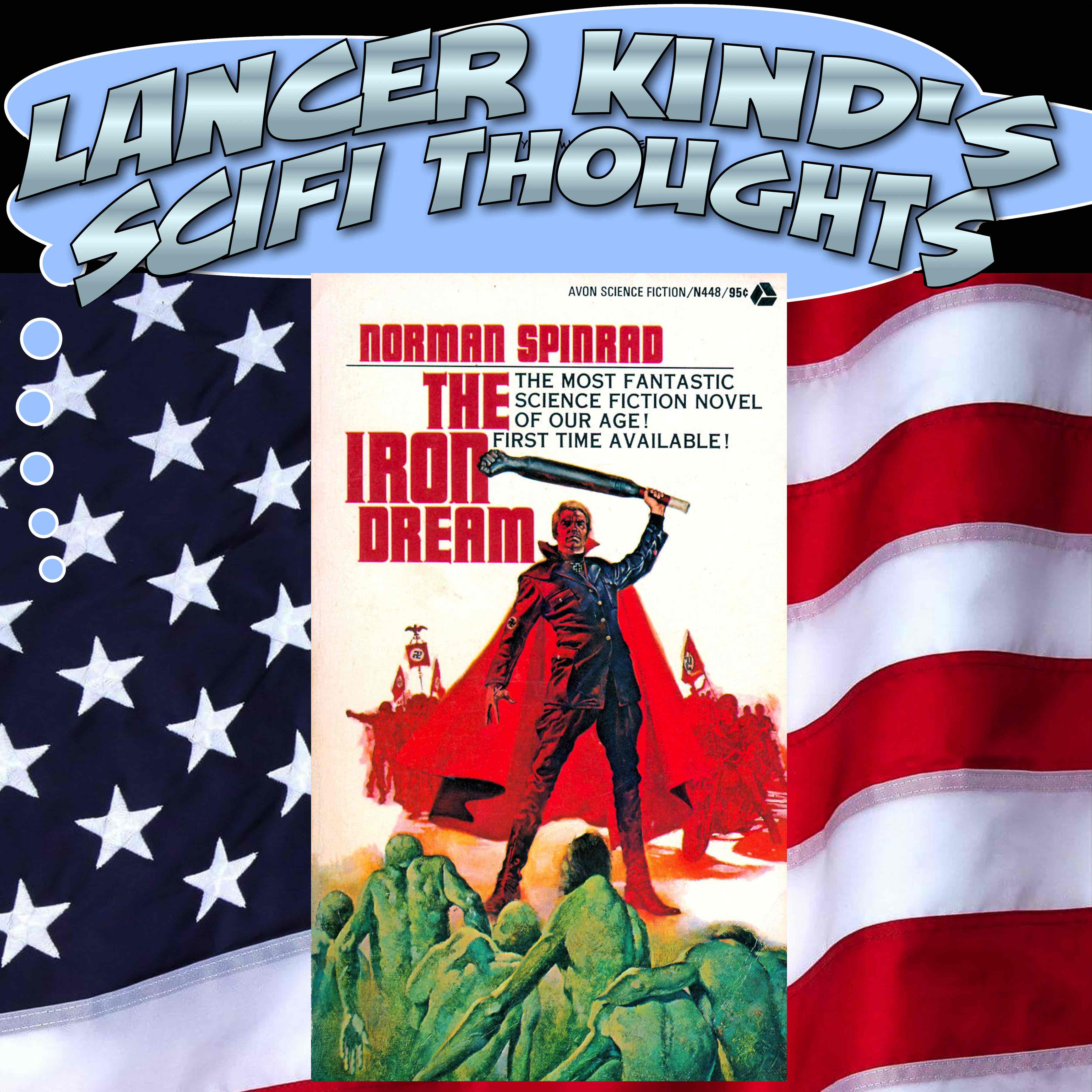
- Norman Spinrad: The Iron Dream (1972; “What Spinrad is trying to tell us is that it is happening here.” – Ursula Le Guin
- Richard Fleischer: Soylent Green (1973; totalitarian control due to overpopulation)
- Philip K Dick: Radio Free Albemuth (1976; Nixon)
- George Lucas: Star Wars (1977; fear of nuclear annihilation by an “evil empire”)
- John Carpenter: They Live (1988; the “Reagan Revolution”)
- Tony Gilroy: Andor (2025; explicit comparisons with current U.S. xenophobia)


/
RSS Feed